
Frequently Asked Questions about our products and services.
Yes, our team can handle everything from site inspections and design to installation, ensuring your shade sail is secure, compliant, and built to last.
GSM refers to grams per square metre and is a measure of a fabric’s density. In general, the higher the GSM, the thicker and more durable the material. For shade sails, a higher GSM means better protection from sunlight, rain, and storms.
For residential shade sails, we recommend a GSM of 200–340. For commercial applications, a GSM above 340 is ideal.
Regular maintenance—such as cleaning and inspecting your shade sail for any signs of wear—is essential for keeping it performing at its best. Make sure to use only gentle detergents on a shade sail. Strong chemical detergents often contain halogens or sulphur which can damage shade fabrics. Even chlorine-treated water can damage a shade sail. We recommend that you use a mild dishwashing liquid to remove stains from your shade fabric.
Addressing small issues early can prevent them from turning into costly repairs later. Proper installation, correct tensioning, and sensible everyday use also play a major role in the lifespan of your shade sail. Avoid excessive pulling or hanging heavy items from the sail, as this can strain the fabric and fittings, helping ensure your shade sail lasts for years to come.
Before purchasing a shade sail, it’s important to consider several key factors to ensure you choose the right option for your space and lifestyle. Shade sails can completely transform an outdoor area, creating a comfortable, inviting place for gatherings, meals, and everyday relaxation — but choosing the right one requires a bit of planning.
1. Planned Time of Use
Think about when you’ll use your shade sail most. Because the sun moves throughout the day, the effectiveness of your shade will depend on placement. Position your sail so it provides cover during your peak usage times.
2. Anchor Points
A shade sail needs strong, secure anchor points. Solid walls, mature trees, or steel posts work best. If suitable anchor points aren’t available, you may need reinforced posts installed to ensure stability and safety.
3. Type of Shade Cloth
Your local weather, the purpose of the sail, and your preferred look will influence the type of fabric you choose. Options include standard woven shade cloth as well as waterproof shade cloths and vinyls . Each has different durability, UV protection, and aesthetic qualities.
4. Wind Exposure
If your area is prone to high winds, proper tensioning is crucial. A tightly tensioned sail reduces movement and helps prevent damage or uplift during strong gusts.
5. Size and Shape
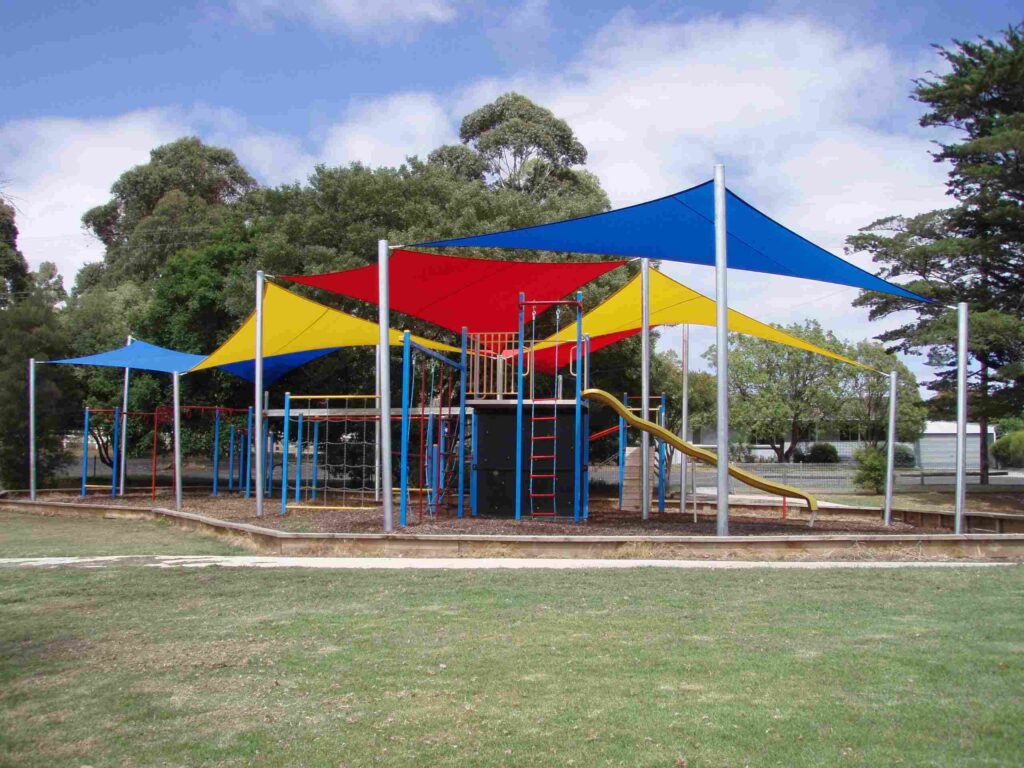
Your outdoor area will determine the size and shape of the sail you need. Small spaces may only require a single sail, while larger areas might benefit from multiple overlapping sails. Triangular sails suit corners and compact spaces, while rectangular or circular designs work well in open areas.
6. Permanent vs. Semi
Permanent Installation
Consider whether your sail will stay up year-round or only be used seasonally or for events. Some sails are designed for easy removal, while others are intended for permanent installation.
Many shade sails in NSW fall under exempt development, but there are exceptions, so it’s always best to confirm with your local council. The information below is from the NSW Government website (https://www.planningportal.nsw.gov.au/development-and-assessment/planning-approval-pathways/exempt-development/shade-structures)
Shade structures are often made from materials like canvas, fabric and mesh for the purpose of providing shade, protection and shelter from UV radiation.
A shade structure must:
If you propose to remove or prune any existing trees or vegetation, you need to contact your council first to ensure you don’t need approval.
In most instances our turnaround time from order is approx. 4-6 weeks.
Each brand of shade cloth we use has a large range of colours available; for example
Contact us anytime for a free quote. We’re looking forward to hearing from you!